
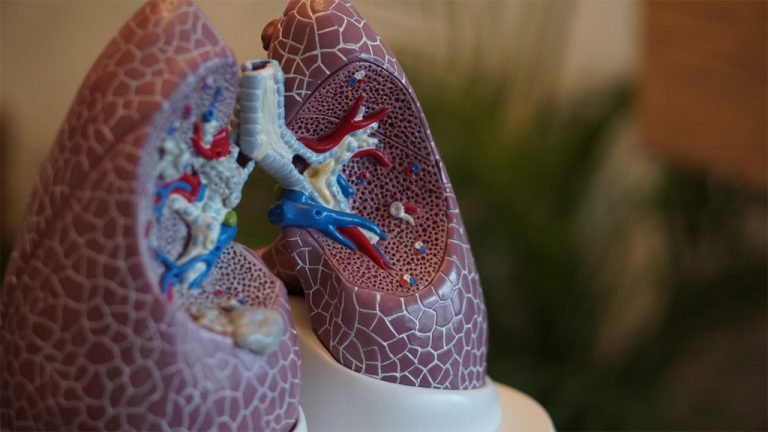
The respiratory system is the organs and other parts of your body involved in breathing, when you exchange oxygen and carbon dioxide. Parts of the Respiratory System Your respiratory system includes:
- Nose and nasal cavity, Sinuses , Mouth, Throat (pharynx) ,Voice box (larynx) ,Windpipe (trachea) ,Diaphragm ,Lungs
- Bronchial tubes/bronchi ,Bronchioles ,Air sacs (alveoli) ,Capillaries
How Do We Breathe? Breathing starts when you inhale air into your nose or mouth. It travels down the back of your throat and into your windpipe, which is divided into air passages called bronchial tubes. For your lungs to perform their best, these airways need to be open. They should be free from inflammation or swelling and extra mucus. Inhalation and Exhalation Inhalation and exhalation are how your body brings in oxygen and gets rid of carbon dioxide. The process gets help from a large dome-shaped muscle under your lungs called the diaphragm. When you breathe in, your diaphragm pulls downward, creating a vacuum that causes a rush of air into your lungs. The opposite happens with exhalation: Your diaphragm relaxes upward, pushing on your lungs, allowing them to deflate.
How Does the Respiratory System Clean the Air?
Your respiratory system has built-in methods to keep harmful things in the air from entering your lungs. Hairs in your nose help filter out large particles. Tiny hairs, called cilia, along your air passages move in a sweeping motion to keep the passages clean. But if you breathe in harmful things like cigarette smoke, the cilia can stop working. This can lead to health problems like bronchitis. Cells in your trachea and bronchial tubes make mucus that keeps air passages moist and helps keep things like dust, bacteria and viruses, and allergy causing things out of your lungs. Mucus can bring up things that reach deeper into your lungs. You then cough out or swallow them.




One Response
Thank you very much for sharing, I learned a lot from your article. Very cool. Thanks.