Introduction
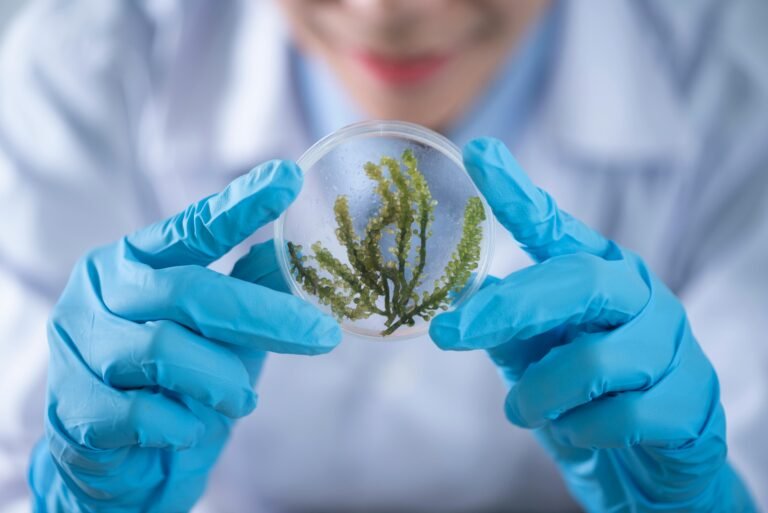
The PhD in Botany is a rigorous and esteemed research program aimed at individuals with a profound interest in plant sciences. Designed to provide an in-depth understanding of plant biology, this program offers a broad spectrum of specialization areas including plant physiology, taxonomy, ecology, and genetics. The program typically spans 3 to 5 years, allowing students to engage in comprehensive research and advanced study, tailored to their specific interests within the field of botany.
As the study of plants encompasses a wide range of topics, the PhD in Botany provides students with the opportunity to explore various dimensions of plant science, from molecular mechanisms to ecological interactions. This program is ideal for those who aspire to contribute to scientific knowledge through research, enhance their expertise in plant-related fields, or pursue careers in academia or industry.
Syllabus Details
The curriculum for the PhD in Botany is designed to balance core scientific knowledge with specialized research opportunities. Here’s a detailed overview of the syllabus:
Core Courses:
Advanced Plant Physiology: This course covers the physiological processes in plants, including photosynthesis, respiration, and nutrient uptake. Students gain a deep understanding of how plants adapt to environmental stresses and manage their growth and development.
Plant Ecology: Focuses on the interactions between plants and their environments. Topics include plant community dynamics, ecosystem functioning, and the impact of environmental changes on plant distributions and interactions.
Plant Taxonomy: Involves the classification, identification, and naming of plant species. Students learn about plant systematics and the evolutionary relationships between different plant groups.
Molecular Botany: Examines the molecular mechanisms underlying plant growth, development, and responses to environmental signals. This course includes topics such as gene expression, molecular genetics, and plant biochemistry.
Electives:
Plant Pathology: Studies plant diseases, their causes, and management strategies. This course is crucial for understanding plant health and developing disease-resistant crops.
Ethnobotany: Explores the relationship between plants and human cultures. Students investigate how different societies use plants for medicine, food, and rituals.
Agricultural Botany: Focuses on the application of botanical principles to agriculture. Topics include crop improvement, pest management, and sustainable farming practices.
Plant Biotechnology: Covers biotechnological techniques applied to plant science, such as genetic engineering, tissue culture, and plant genomics.
Research Component:
Research Project and Dissertation: Central to the PhD program is a significant research project, which students undertake under the guidance of a faculty advisor. This involves original research work, data collection, analysis, and the preparation of a dissertation that contributes new knowledge to the field of botany.
Why Choose the Program
Choosing to pursue a PhD in Botany offers several compelling advantages:
Expert Faculty: Our program features a distinguished faculty team with extensive experience in various sub-disciplines of botany. Their expertise and mentorship provide invaluable guidance throughout the research process.
Cutting-edge Research Facilities: Students have access to state-of-the-art laboratories equipped with advanced technologies for plant research. This includes tools for molecular analysis, ecological monitoring, and experimental plant growth.
Specialized Knowledge: The program offers opportunities to delve into specialized areas of botany, allowing students to develop expertise in their chosen research topics. This focus enhances their academic and professional profiles.
Research Opportunities: Engage in groundbreaking research with the potential to influence the field of botany and address pressing environmental and agricultural challenges.
Eligibility
To be eligible for the PhD in Botany program, applicants must meet the following criteria:
Academic Qualifications: A Master’s degree in Botany or a closely related field, with a minimum of 55% marks (or equivalent CGPA). Some programs may require a higher academic standing.
Entrance Exams: Applicants must pass a national-level PhD entrance examination or a university-specific test, which assesses their knowledge and research aptitude in botany.
Research Proposal: A well-defined research proposal outlining the intended area of study and research objectives is often required. This proposal should demonstrate the applicant’s understanding of the field and potential for contributing original research.
Placements After Program
Graduates of the PhD in Botany program are well-equipped to pursue diverse career paths. Potential job profiles include:
Research Scientist: Conduct advanced research in academic, government, or private research institutions, focusing on various aspects of plant science.
Botanist: Work in herbaria, botanical gardens, or conservation organizations, studying plant species, their habitats, and their roles in ecosystems.
Environmental Consultant: Provide expertise on environmental impact assessments, conservation strategies, and sustainable practices related to plant and ecosystem management.
Plant Breeder: Develop new plant varieties with desirable traits, such as improved yields, disease resistance, or adaptability to changing environmental conditions.
Recruiters: Graduates are sought after by a range of employers including:
Academic Institutions: Universities and colleges offering research and teaching positions.
Research Institutes: Organizations dedicated to botanical and environmental research.
Government Agencies: Departments focused on agriculture, environment, and natural resources.
Non-Governmental Organizations (NGOs): Groups working on conservation, environmental education, and sustainable development.
About the University (https://aiph.ac.in/)
AIPH university is renowned for its commitment to academic excellence and research innovation. It boasts a distinguished reputation in the field of plant sciences, supported by a dynamic faculty team and cutting-edge facilities. The university fosters an environment conducive to scholarly achievement and provides students with the resources needed to excel in their research endeavors.
With a rich history of producing top-tier researchers and professionals, our institution offers a vibrant academic community where students are encouraged to explore new frontiers in botany and make meaningful contributions to the field.