Avitaminosis or Vitamin Deficiency – A deficiency of one or more essential vitamins.
There are 13 essential vitamins — vitamins A, C, D, E, K, and the B vitamins (thiamine, riboflavin, niacin, pantothenic acid, biotin, B6, B12, and folate). Vitamins have different jobs to help keep the body working properly.The four most common vitamin deficiencies include vitamin D, B6 and B12, and folic acid. Other common nutritional deficiencies include Vitamin A, iron, iodine, magnesium, and calcium etc.
What are signs & symptoms of low vitamins?
· Fatigue,Shortness of breath, Dizziness, Pale or yellowish skin, Irregular heartbeats, Weight loss, Numbness or tingling in the hands and feet, Muscle weakness.
Vitamin B12 deficiency -Also called: cobalamin deficiency
Symptoms about vitamin B12 deficiency anaemia. Symptoms include weak muscles, numbness, trouble walking, nausea, weight loss, irritability, fatigue, and increased heart rate. Treatment may include vitamin B12 supplements. It is also important to eat a well-balanced diet. Vitamin B12 deficiency may lead to a reduction in healthy blood cells (pancytopenia). The nervous system may also be affected. Symptoms are rare but can include fatigue, breathlessness, numbness, poor balance, memory trouble, and a burning sensation in limbs (neuropathy).
Vitamin K Deficiency:
· Vitamin K deficiency can contribute to significant bleeding, poor bone development, osteoporosis, and increased cardiovascular disease.
Signs of vitamin D deficiency ( Vitamin D deficiency -Also called: hypovitaminosis D)
Getting illnesses or infections more often, Feeling tired or fatigued, Hair loss, Muscle pain, Lower back pain, Feelings of depression or low mood, Wounds that heal slowly following surgery, infection or injury. Vitamin D deficiency can lead to a loss of bone density, which can contribute to osteoporosis and fractures (broken bones). Severe vitamin D deficiency can also lead to other diseases: In children, it can cause rickets. Rickets is a rare disease that causes the bones to become soft and bend.
Folic Acid Deficiency
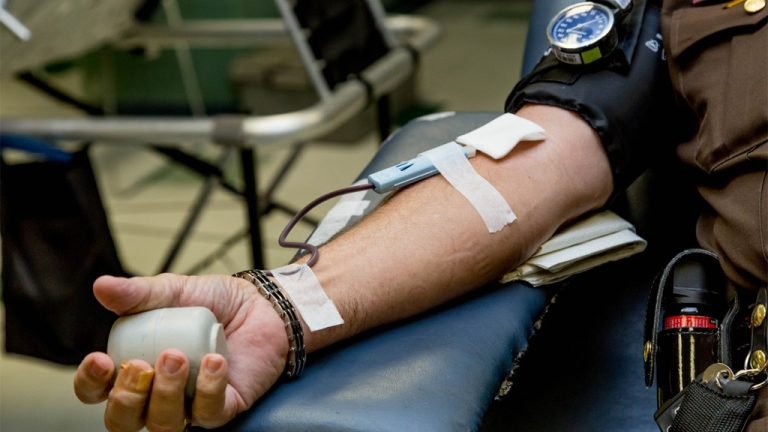
Folate-deficiency anemia is the lack of folic acid in the blood. Folic acid is a B vitamin that helps your body make red blood cells. If you don’t have enough red blood cells, you have anemia. Red blood cells carry oxygen to all parts of your body.
Vitamin C Deficiency (Vitamin A deficiency -Also called: xerophthalmia)
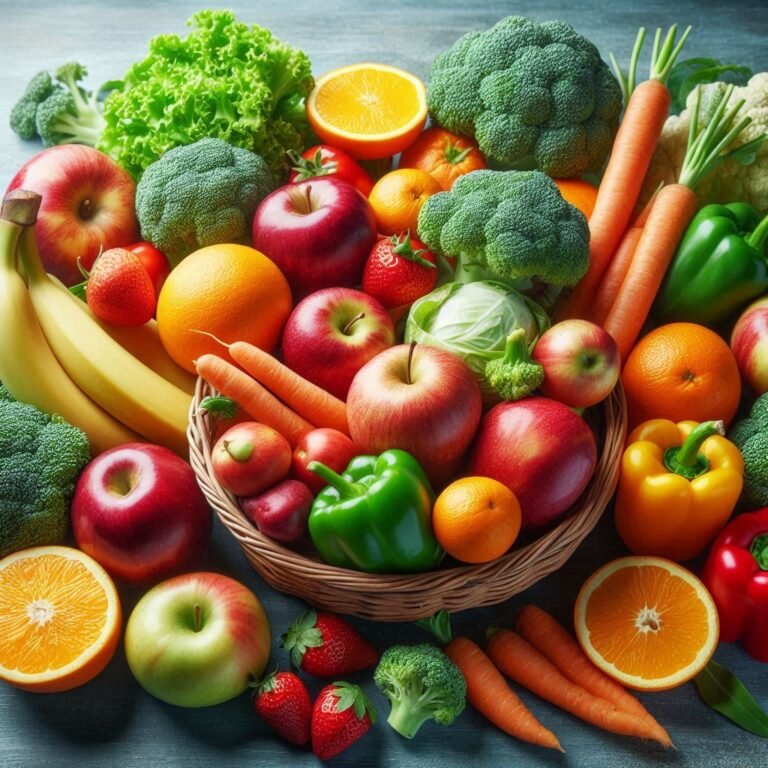
Early manifestations of vitamin C deficiency are non-specific. Symptoms may not occur for a few months after a person’s dietary intake of vitamin C drops too low. Bruising, bleeding gums, weakness, fatigue, loss of appetite, and skin rash are among scurvy symptoms.Treatment involves taking vitamin C supplements and eating citrus fruits like oranges, lemons, kiwis, strawberries, and guava.
Vitamin A Deficiency :
Vitamin A deficiency is most common in Africa and Southeast Asia. It can also occur when the gut can’t absorb the nutrient. Vitamin A deficiency can cause blindness. It can also increase the risk of serious, sometimes fatal, infections. Symptoms include night blindness, dry skin and frequent infections.
Vitamin E deficiency:
Vitamin E needs some fat for the digestive system to absorb it. Vitamin E deficiency can cause nerve and muscle damage that results in loss of feeling in the arms and legs, loss of body movement control, muscle weakness, and vision problems. Another sign of deficiency is a weakened immune system.